

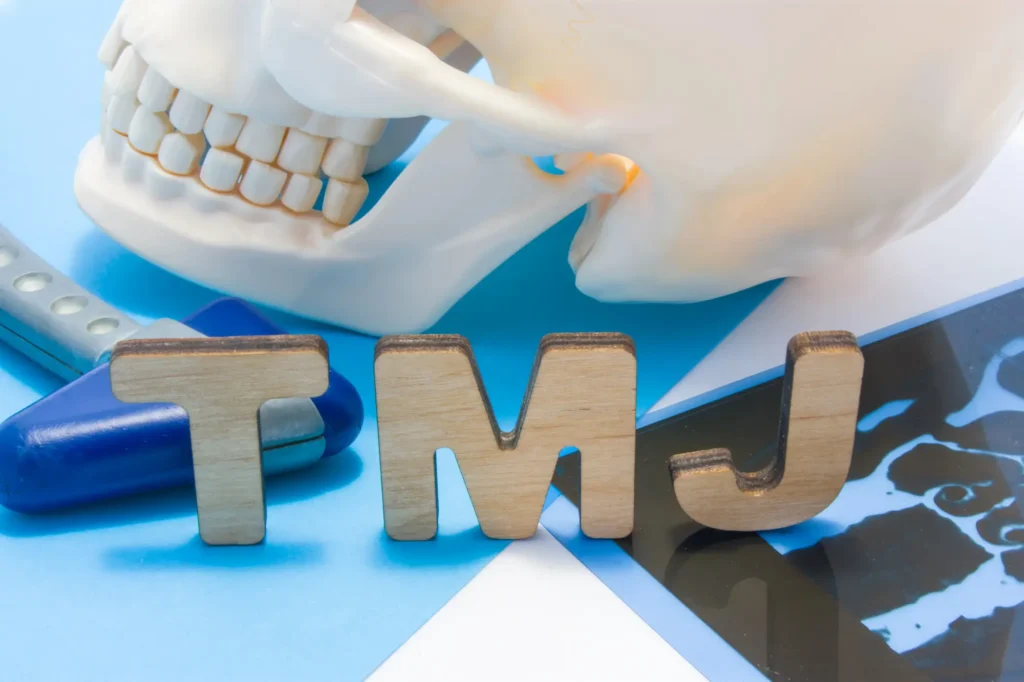
Persistent jaw pain or frequent morning headaches rarely send people straight to a dentist in 48334, yet the mouth and jaw are often part of the story. Many patients are surprised to learn that dental care can address concerns that seem unrelated to teeth.
Dr. Roman Shlafer’s team often meets patients who have spent months looking for answers in the wrong place. Here are the symptoms worth mentioning at a dental visit, and why they matter.
 Symptoms Worth Mentioning to a Dentist
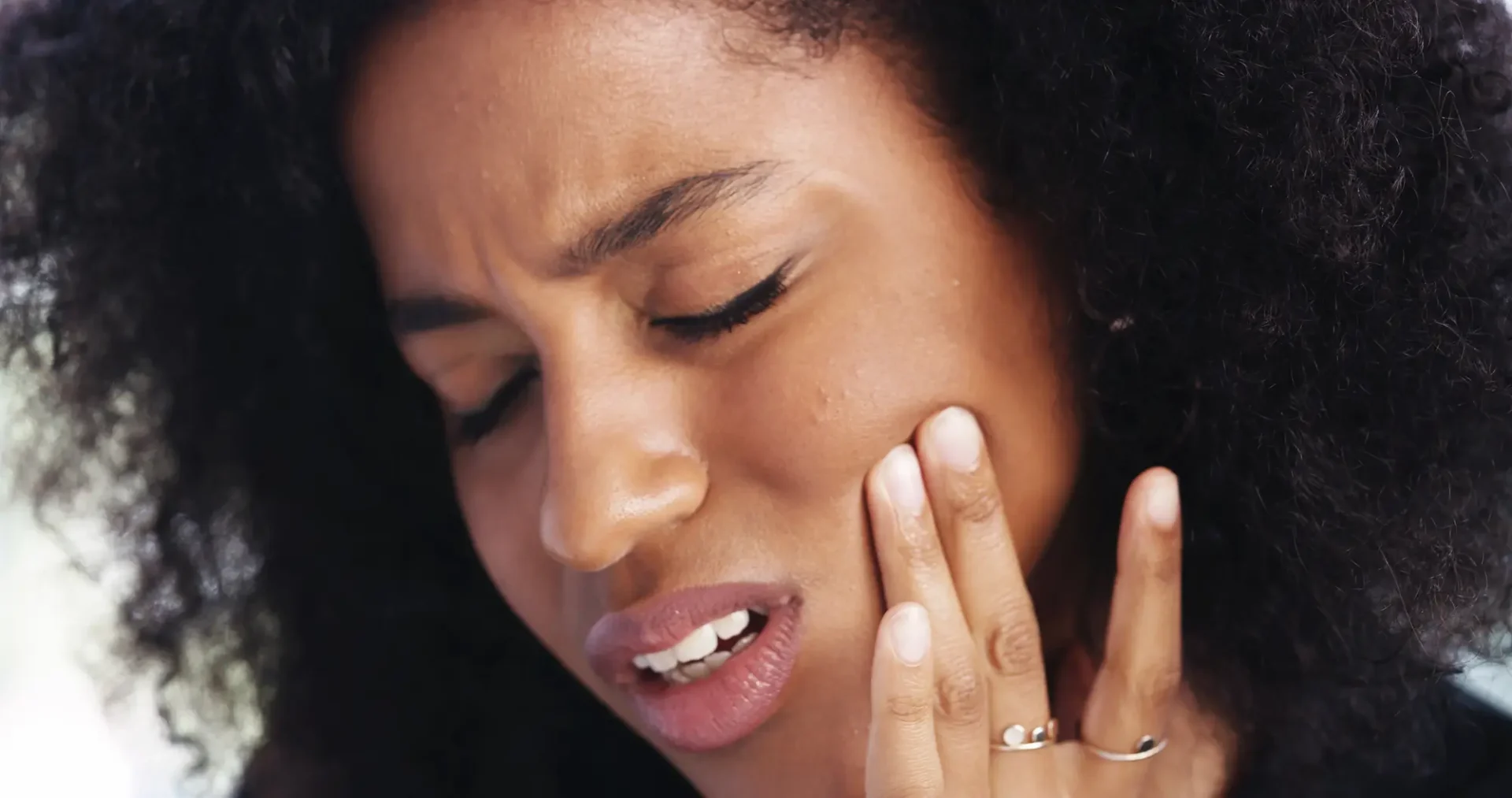
Jaw Pain, Clicking, and Headaches
The National Institute of Dental and Craniofacial Research explains that temporomandibular disorders are a group of conditions affecting the jaw joints and the muscles that control jaw movement. Pain in the chewing muscles or jaw joint is the most common sign.
Other signs may include:
- Jaw stiffness or locking
- Painful clicking, popping, or grating
- Pain that spreads to the face or neck
- A change in how the upper and lower teeth fit together
Headaches and earaches can also accompany jaw trouble, even without an ear infection. Mentioning them during an exam gives the dentist a fuller picture.
Many patients begin with conservative care, such as a custom mouth guard worn at night to reduce clenching and grinding. A thorough exam helps determine which approach fits each person.
Jaw misalignment, teeth grinding, and stress are among the factors a dentist considers when looking for the cause. Addressing the source, not only the soreness, is the goal of personalized care.
Loud Snoring and Tired Mornings
Loud snoring, gasping at night, and daytime sleepiness can point to a condition in which the airway repeatedly narrows during sleep. The American Dental Association’s overview of obstructive sleep apnea notes that dentists can screen for risk factors and fit custom oral appliances.
A physician must diagnose sleep apnea, usually through an overnight sleep study. From there, Dr. Shlafer reviews the results and discusses sleep apnea treatment options with the patient.
For mild to moderate cases, or for patients who struggle with CPAP, oral appliances are a common alternative. These custom devices reposition the jaw and tongue to help keep the airway open.
Bed partners often notice the warning signs first. Sharing what they have observed helps the dentist ask better questions.
Frequently Asked Questions About Jaw and Sleep Concerns
Does Snoring Always Mean Sleep Apnea?
No, snoring alone does not always signal sleep apnea. Persistent snoring paired with gasping or heavy daytime sleepiness is worth raising with a dental or medical professional.
Is Clicking in the Jaw Always a Problem?
Not necessarily, since painless clicking or popping is common. Pain, locking, or trouble chewing is a better reason to schedule an exam.
Can a Dentist Help With Teeth Grinding?
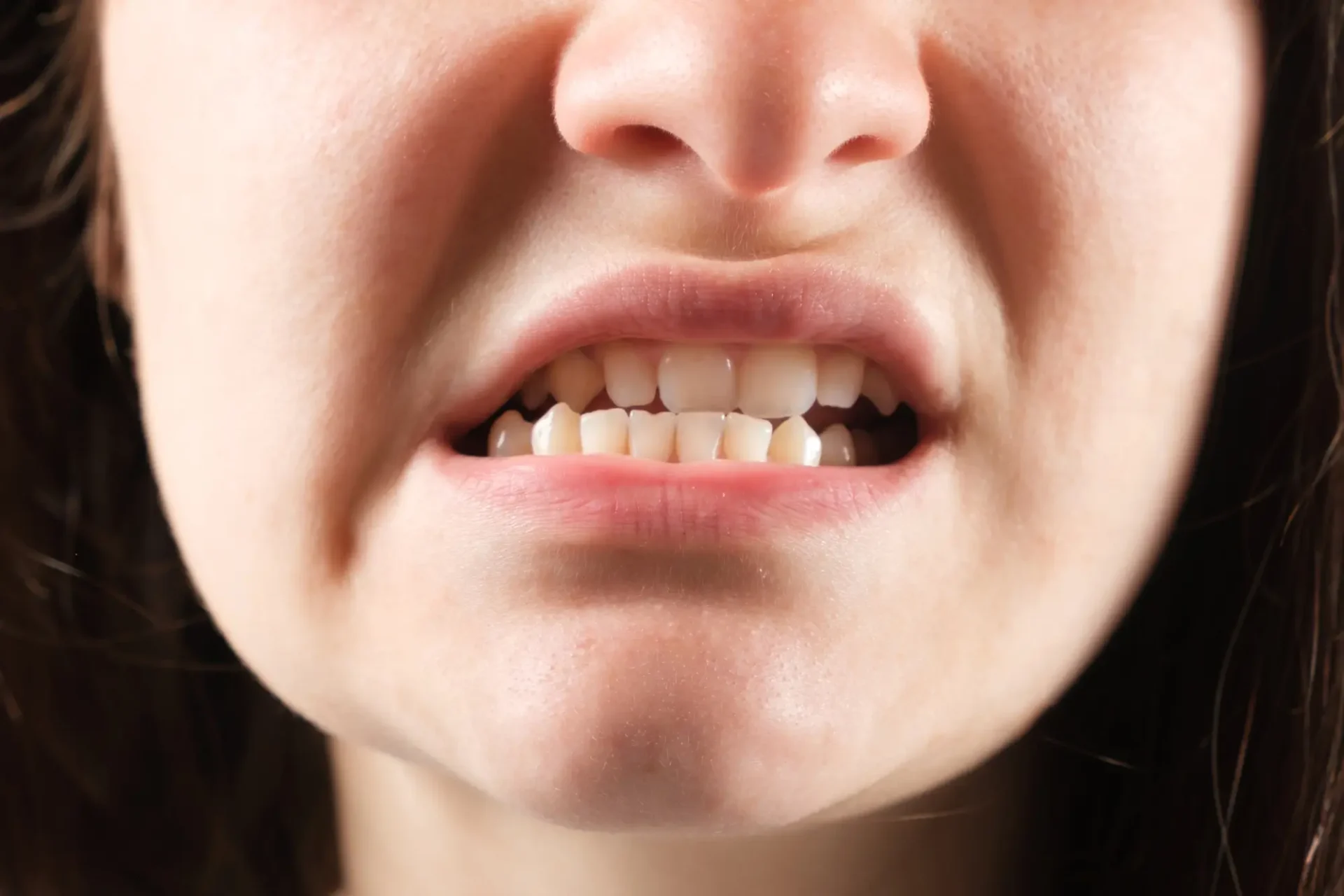
Yes, grinding and clenching often show up as worn teeth, jaw soreness, or headaches. A dentist can check for signs of wear and discuss whether a custom guard makes sense.
 Talk With a Dentist in 48334 About Jaw, Sleep, and Bite Concerns
Wondering whether a dentist can help with ongoing jaw pain, headaches, or snoring? Schedule a consultation with Dr. Shlafer to discuss your symptoms and next steps to improve your comfort.
Early conversations often lead to simpler solutions, so there is no need to wait for symptoms to worsen.